The Step-by-Step Guide to Reporting Fraud
What to do if you suspect you or a loved one has been targeted.
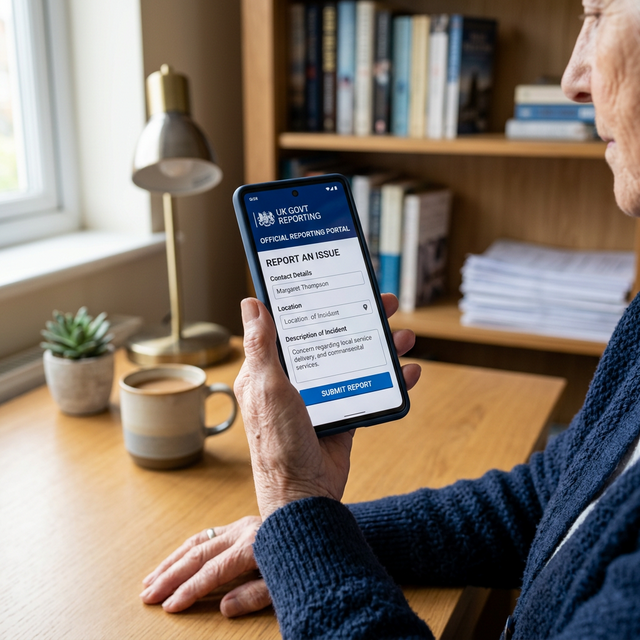
Discovering a scam can be a traumatic and confusing experience. Many victims feel ashamed or afraid. But remember: **Scammers are professional criminals.** Falling for a modern scam is not a sign of weakness—it is a sign that you were targeted by experts.
Reporting the crime is the best way to protect your remaining assets and help government agencies catch the perpetrators. Here is your immediate action plan:
⚠ Step 1: Secure Your Accounts
Before filing reports, stop the bleeding. If you shared any payment information or granted remote access to your computer:
- Call your bank’s fraud department immediately.
- Freeze your credit through the three major bureaus (Equifax, Experian, TransUnion).
- Change all passwords, especially for your email and banking accounts.
Step 2: Collect Your Information
Law enforcement will need specific details. Try to write down as much as you can remember:
- The date and time of the contact.
- The phone number or email address the scammer used.
- What the scammer claimed (e.g., "Grandparent in jail" or "IRS fee").
- If payment was made, the method (Gift card numbers, wire transfer receipts, etc.).
Step 3: Report to Federal Agencies
In the United States, there are two primary agencies you must contact:
1. The Federal Trade Commission (FTC)
The FTC uses these reports to track patterns and warn others. Visit [ReportFraud.ftc.gov](https://reportfraud.ftc.gov/) and follow the prompts. They will provide you with an "Identity Theft Report" which is essential for working with banks.
2. The FBI Internet Crime Complaint Center (IC3)
The IC3 is the central hub for the FBI’s cybercrime investigations. Visit [IC3.gov](https://www.ic3.gov/) to submit a complaint. This ensures your case is part of the national law enforcement database.
🔒 Professional Advice
"Don't forget local law enforcement. While cybercrime is often international, a local police report provides an official paper trail that many insurance companies and banks require."
Step 4: Contact AARP Fraud Watch
If you need emotional support or guidance from people who understand the specific challenges seniors face, call the **AARP Fraud Watch Network Helpline: 877-908-3360**. They offer free assistance to anyone, regardless of AARP membership.
Next Steps
Stay informed. Scammers often re-target the same victims with "Recovery Scams" (pretending to be investigators who can get your money back for a fee). Never pay anyone to recover scammed funds.